

Guest Article By Søren Kamper
SWTORStrategies / Star Wars: Gamers
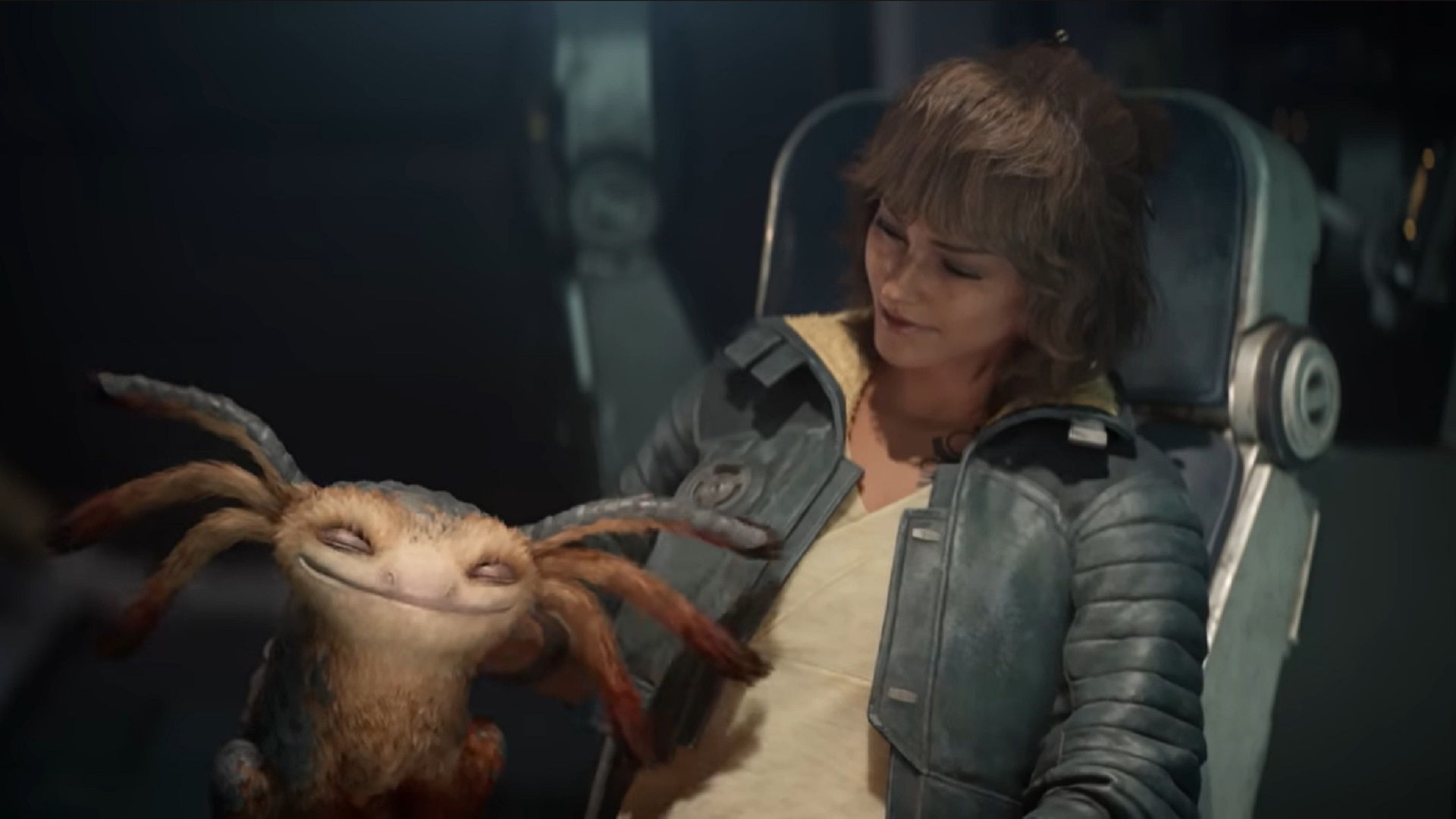
Star Wars Outlaws may have sold itself as a scoundrel fantasy, but let’s be honest: a suspicious amount of that game belongs to the tiny chaos creature riding around with Kay Vess.
Yes, Kay has the blaster. Yes, she has the underworld problems, the bad decisions, the speeder, the syndicate drama, and the “I can probably lie my way out of this” energy that every good Star Wars criminal needs. But Nix is the one crawling through vents, distracting enemies, stealing things, sabotaging alarms, and generally behaving like the galaxy’s most adorable felony assistant.
Gaming Furever’s Star Wars Outlaws review nailed this perfectly by pointing out that Nix is not only painfully cute, but also weirdly dangerous. That is the magic trick. He is not just there to sit on a shoulder and sell plush toys, although let’s not pretend that would be difficult. He matters because he changes how the game feels.
That is something Star Wars games have always been especially good at when they remember to do it: letting the strange little creatures of the galaxy become part of the experience, not just background decoration.
Because honestly, Star Wars is better when the weird little guys matter.
The Galaxy Should Feel Alive, Not Sanitized
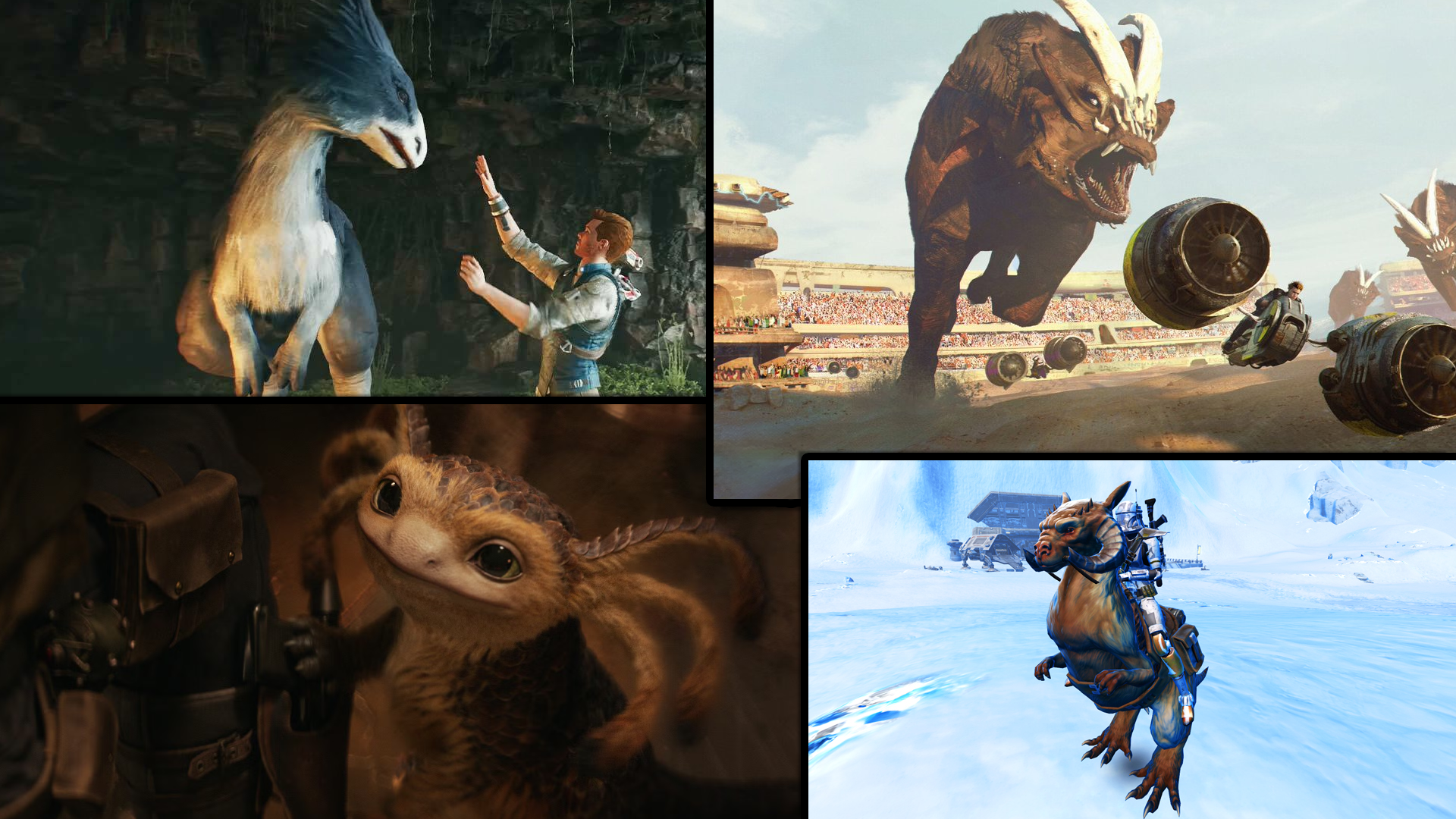
The Star Wars universe has never been clean. It has always been full of junk traders, swamp monsters, trash-compactor horrors, desert scavengers, giant space slugs, angry teddy bears, frozen lizard horses, suspicious cantina patrons, and at least three creatures in every room that look like they know tax fraud.
That texture is part of the appeal.
The galaxy is not just Jedi, Sith, Rebels, Imperials, and someone whispering about destiny in a hood. It is also Jawas making terrible business decisions, tauntauns freezing in the snow, wampas ruining everyone’s vacation, rancors turning palace basements into workplace safety violations, and tiny aliens who look cute right up until they start biting ankles for the rebellion.
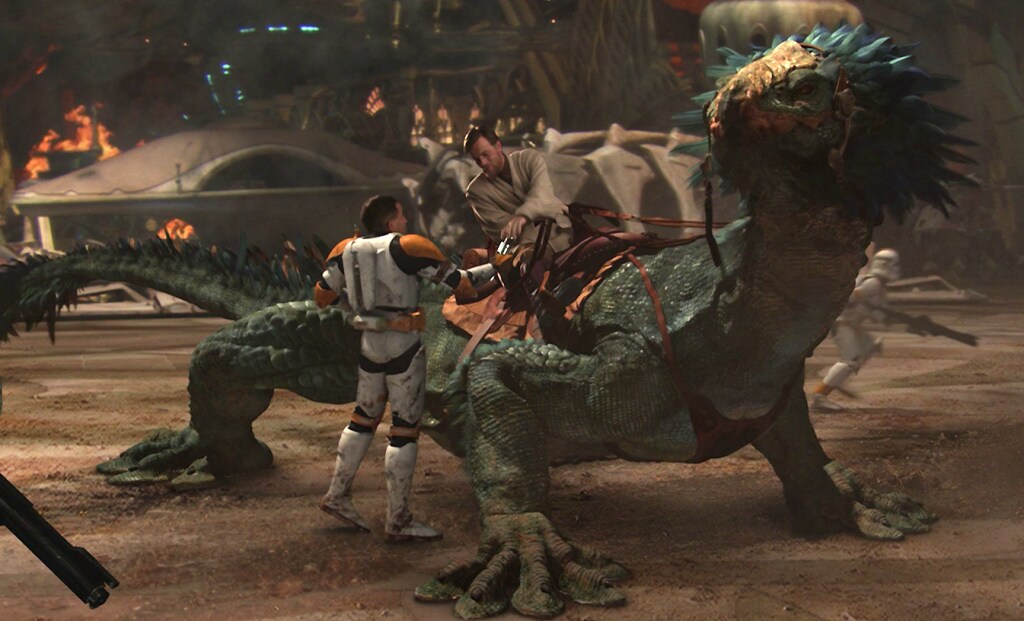
Movies can show us those creatures. Games can let us deal with them.
That is the important difference.
A Star Wars creature in a film might be a joke, a threat, a toyetic design, or a memorable bit of visual flavor. A Star Wars creature in a game can be a system. A mechanic. A companion. A hazard. A mount. A class fantasy. A panic button. A reason you remember one mission ten years later even though you have forgotten half the plot.
That is why Nix works so well. He is not only cute. He is useful. He lets the player interact with the world in a more Star Wars way. Sneaking through an Imperial base is fun. Sneaking through an Imperial base while your little alien friend robs someone is better. That is science.
Probably illegal science, but still.
Movies can show us those creatures. Games can let us deal with them.
Old Star Wars Games Were Full of Creature Energy
One of the reasons old Star Wars games stick in the brain is that they understood how strange the galaxy should feel.
 Gaming Furever’s Star Wars: Dark Forces Remaster review taps into that old-school Star Wars gaming memory lane, and that era had a very specific kind of weirdness. These games were often blocky, clunky, ambitious, occasionally cruel, and absolutely committed to making players feel like the galaxy was larger than the main movie camera.
You were not always the chosen one. Sometimes you were just a person with a blaster, a bad map, and a growing concern that the next room might contain something unpleasant.
That mattered.
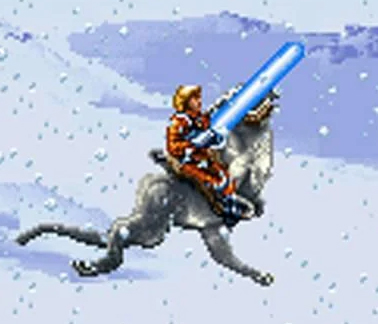
Old Star Wars games had a habit of turning creatures into moments. A wampa was not just a monster. It was the thing that made you nervous before entering a frozen room. A tauntaun was not just an animal. It was a reminder that this world had transportation, weather, survival, and very questionable smells. Jawas were not just tiny traders. They were walking proof that any Star Wars location gets funnier when someone small and hooded starts messing with technology.
Even when creatures were basic enemies, they helped sell the fantasy that Star Wars was not just a franchise timeline. It was a place. A messy place. A dangerous place. A place where the local wildlife might be more of a problem than the Empire.
And that is fantastic.
Ewok Hunt Understands the Assignment
If there is one modern-ish example that proves weird creatures can carry an entire mode, it is Ewok Hunt in Star Wars Battlefront II.
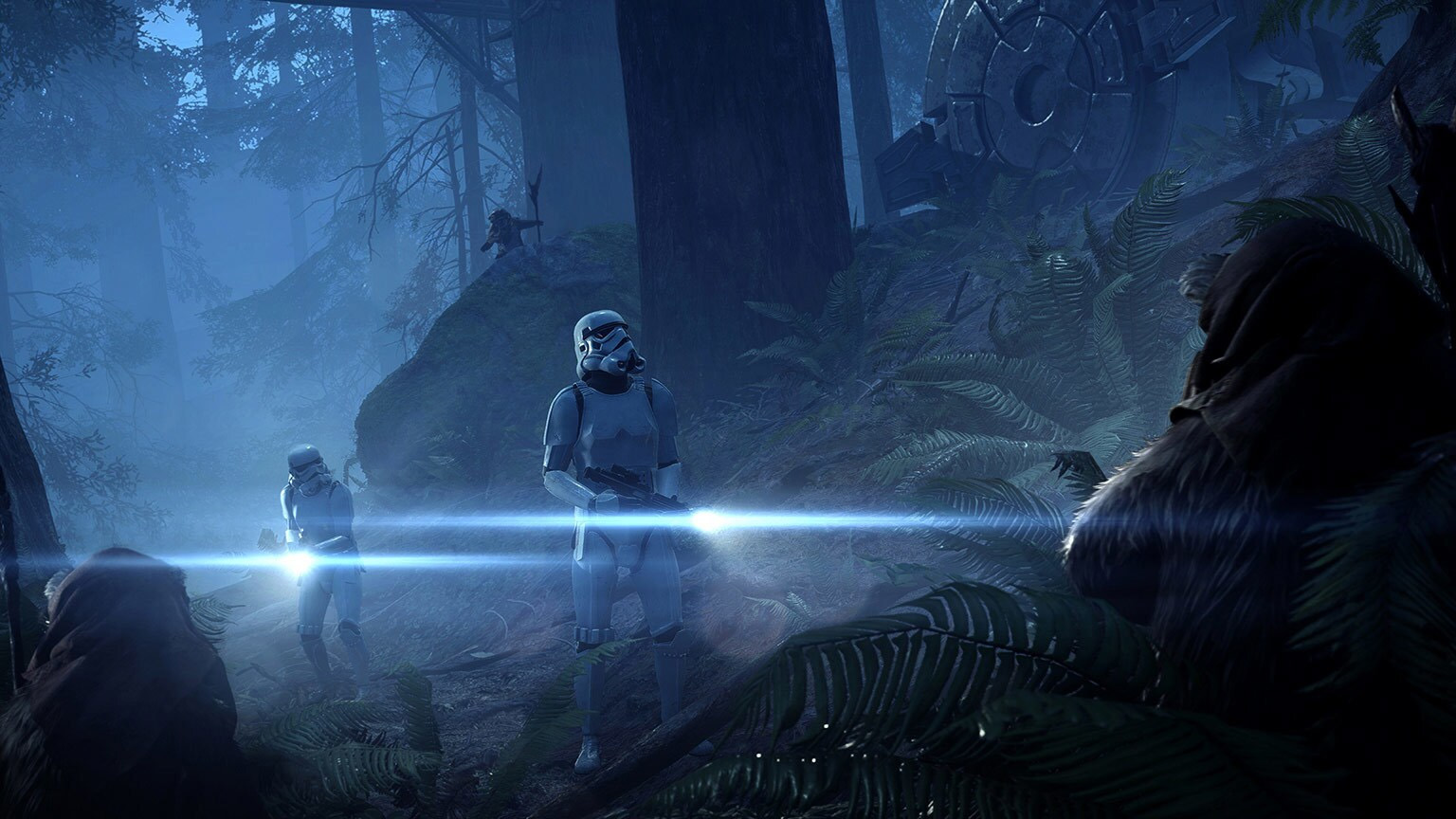
On paper, it sounds ridiculous. Stormtroopers versus Ewoks in the dark. That should not be scary. These are tiny forest bears with hoods and handmade weapons. The Empire has armor, blasters, training, and the confidence of people who have clearly never watched Return of the Jedi closely enough.
And yet, it works.
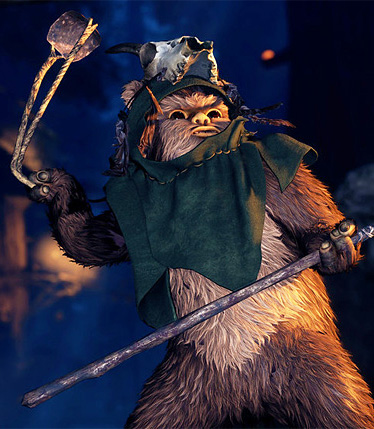
Ewok Hunt is funny because it understands the joke. It is also tense because it understands the horror. Suddenly the forest is dark, your squad is getting picked off, and the cute little locals have become the most dangerous thing on Endor. There is something deeply Star Wars about realizing that the giant military machine is losing to small creatures with better home-field advantage and absolutely no respect for Imperial authority.
That is the power of letting creatures matter.
The Ewoks are not background. They are the premise. They are the threat, the comedy, the atmosphere, and the entire reason the mode works. It is not a Jedi fantasy. It is not a Sith fantasy. It is not even really a soldier fantasy.
It is the fantasy of being a terrified stormtrooper in the woods, slowly realizing the teddy bears have learned violence.
That deserves respect.
Companions Make the Galaxy Personal
The best creature and companion moments in Star Wars games do not just add flavor. They make the world feel personal.
That can be Nix in Outlaws. It can be a droid companion like BD-1 in Jedi: Fallen Order and Jedi: Survivor, even if droids are their own separate category of lovable mechanical gremlins. It can be mounts, pets, wildlife, or strange alien sidekicks who make the galaxy feel lived in. The point is not whether something is furry, scaly, robotic, slimy, or morally suspicious. The point is whether it changes your relationship with the world.
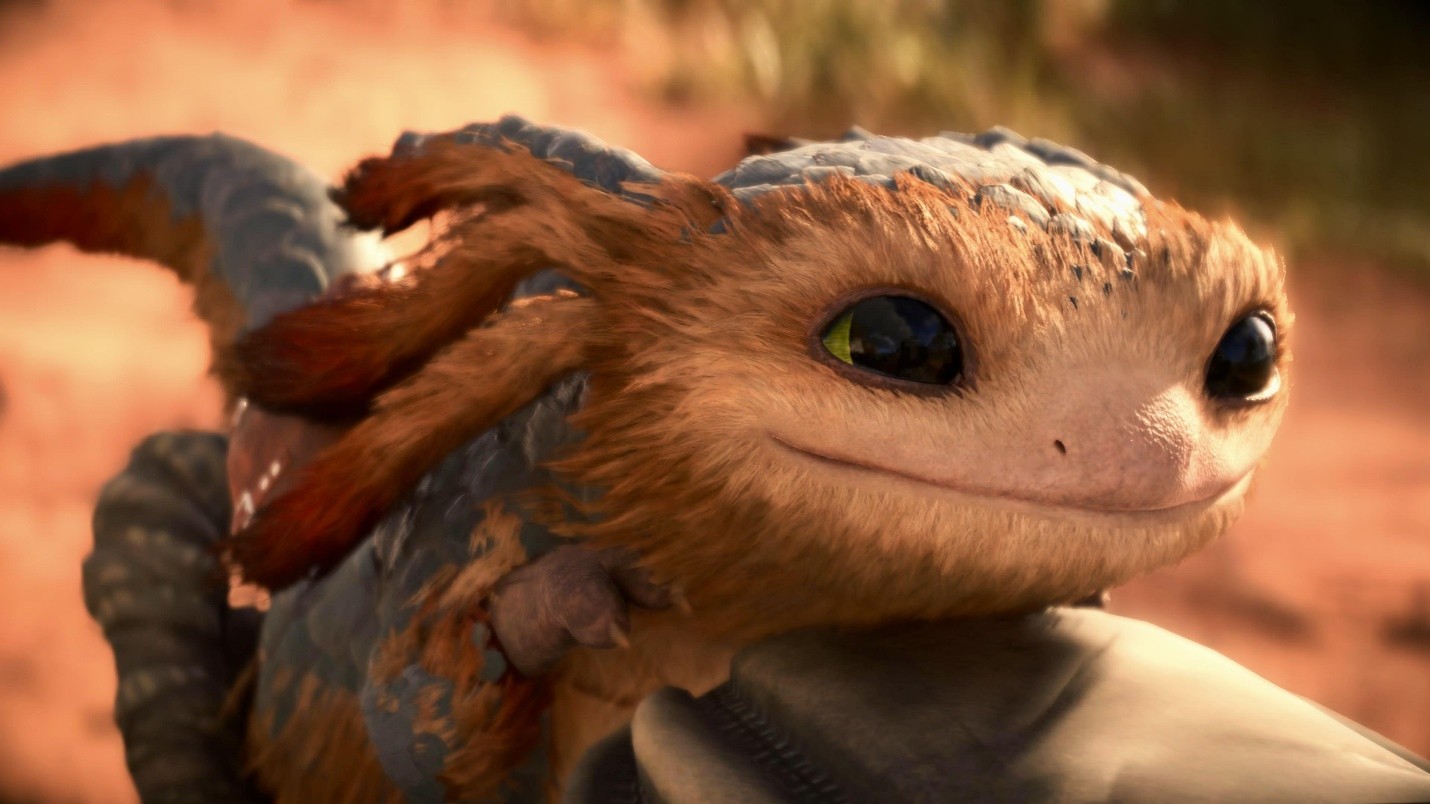
A good companion gives the player a reason to care between missions.
A good creature makes a planet feel like more than a skybox.
A good oddball alien reminds us that Star Wars is not only about the people giving speeches. Sometimes the most memorable thing in the room is the little menace digging through a crate, stealing a snack, or somehow being more competent than everyone with a rank.
That fits Star Wars perfectly because the franchise has always had a soft spot for creatures that should not matter and then absolutely do.
R2-D2 is a trash can with divine intervention powers. Chewbacca is a walking carpet who is also the emotional spine of several adventures. The Jawas look like tiny mechanics from a cursed garage. Salacious B. Crumb is basically what happens when a goblin gets court approval. Star Wars has never been above letting weird side creatures steal scenes.
Games should embrace that even more.
Bounty Hunters, Beasts, and Better Side Stories
One reason this matters is that creature-focused design often pulls Star Wars away from the obvious center of the saga.
That is a good thing.
Gaming Furever’s Star Wars Bounty Hunter review touches on a different but related fantasy: stepping away from Jedi drama and into the dirtier, stranger, more practical corners of the galaxy. Bounty hunters, smugglers, scouts, beast handlers, pilots, and mercenaries all experience Star Wars differently. They are not always asking what the Force wants. Sometimes they are asking what that noise was, why the local creature is angry, and whether this job pays enough to continue.
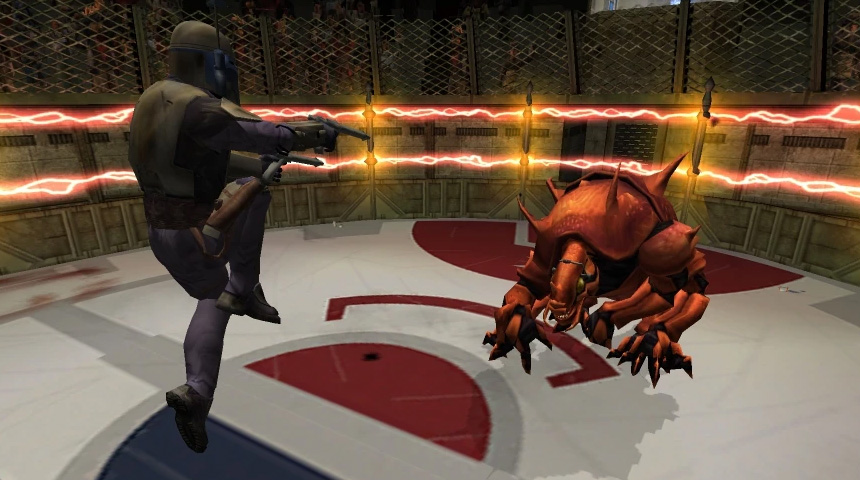
That is where games can shine.
Imagine a Star Wars game that really leaned into creature tracking. Or beast handling. Or surviving on a hostile Outer Rim world where wildlife is not just enemy variety, but part of the whole design. Imagine a bounty hunting game where understanding alien ecosystems matters as much as scanning targets. Imagine a smuggler game where your strange little companion is not a gimmick, but the difference between a clean getaway and a very embarrassing arrest.
Star Wars has room for that.
It has always had room for that.
The Archive Is Full of Weird Corners
When you look across the long history of Star Wars games, from old LucasArts oddities to MMOs, shooters, racers, mobile games, strategy games, and modern adventures, the strange lifeforms keep sneaking back in. SWTORStrategies keeps a running Star Wars games archive, and browsing it is a reminder that the galaxy has always been bigger than Jedi and Sith.
That is the fun of Star Wars gaming history. It is not one clean line. It is a messy creature trail through every possible genre.
Some games gave us lightsabers. Some gave us cockpits. Some gave us party-based RPG drama. Some gave us massive online worlds where creature-handler memories from Star Wars Galaxies still live rent-free in the minds of players who will absolutely explain the whole system if you give them half a chance.
And honestly, let them.
Those are the stories that make Star Wars gaming feel like a community memory, not just a release calendar.
Gaming Furever already understands this kind of thing. A site that can make room for animal and anthro gaming through features like Fresh Fur is exactly the kind of place where this argument makes sense.
Creatures are not side decoration. They are part of how games build identity, humor, attachment, and worlds that feel alive.
Star Wars should remember that more often.
Creatures are not side decoration. They are part of how games build identity, humor, attachment, and worlds that feel alive.
Let the Little Weirdos Win
Of course, Star Wars games should still give us lightsaber duels. They should still give us space battles, bounty hunts, tactical squads, ancient temples, crime syndicates, impossible odds, and villains with names that sound like expensive metal bands.
But they should also give us the weird little creature that ruins the plan, saves the mission, steals the item, starts the fight, ends the fight, and somehow becomes the thing everyone talks about afterward.
That is not a distraction from Star Wars.
That is Star Wars.
The galaxy is supposed to be strange. It is supposed to be crowded with life. It is supposed to feel like every cave, forest, cantina, junkyard, palace basement, and spaceport has something in it that might bite you, help you, rob you, or become your best friend.
So yes, give us the next great Jedi game. Give us the next starfighter sim. Give us the next bounty hunter adventure.
But also give us more Nix. More Ewok Hunt energy. More creature systems. More alien companions. More strange little gremlins who make the galaxy feel alive.
Because sometimes the future of Star Wars games is not another chosen one.
Sometimes it is a tiny creature with huge eyes, sticky fingers, and absolutely no respect for Imperial security.
